What Is the Anion Gap?
The anion gap is a calculated measurement used to help evaluate electrolytes and the body’s acid-base balance. It represents the gap between the main measured cations and negative ions in the blood, especially sodium and chloride, along with bicarbonate. As some ions are not directly measured on a standard blood chemistry panel, the anion gap aids in spot changes in anion concentration that may suggest a metabolic disorder or other acid-base disorder.
Clinicians often use the anion gap as a diagnostic indicator and a screening tool during patient evaluation. It doesn't provide a diagnosis by itself, but it can signal that something is affecting serum levels and overall chemical balance. The key idea is simple: if the gap is higher or reduced than expected, the blood test results may deserve closer review in clinical interpretation.
At its core, the anion gap reflects the presence of unmeasured anions in the blood. In many cases, those unmeasured ions become more important when the body is dealing with an acid load, kidney problems, or shifts in proteins such as albumin.
Anion Gap Calculator Formula
An anion gap calculator usually uses a simple formula using common laboratory values. The most widely used calculation is:
Anion gap = Serum sodium − (Serum chloride + Serum bicarbonate)
This calculation formula examines measured sodium relative to the sum of bicarbonate and chloride. It helps indicate whether there may be an acid buildup or unusual ions affecting the blood. Because the formula relies on common test values, it is straightforward to apply once the values are available from a lab report.
Some labs and clinicians may use a modified version that includes potassium, but the sodium-based version is the standard in everyday practice. When using any anion gap calculator, it is important to understand which lab reference approach is being used so the result is interpreted correctly.
The formula is useful because it turns a few routine numbers into a useful medical assessment of electrolyte balance. A high or low result can suggest an electrolyte imbalance that deserves attention, especially if the patient has symptoms or abnormal blood test results.
How to Work Out Anion Gap In Steps
To complete the calculation, start with the values from the blood chemistry panel:
- Serum sodium Serum chloride Serum bicarbonate
Then apply the formula:
Anion gap = serum sodium − (serum chloride + serum bicarbonate)
Here is a straightforward example. If serum sodium is 140 mEq/L, serum chloride is 104 mEq/L, and serum bicarbonate is 24 mEq/L, the calculation is:
140 − (104 + 24) = 140 − 128 = 12 mEq/L
That value may remain in the expected normal range depending on the laboratory measurement method. The units are usually expressed in mEq/L. Because different instruments and lab methods can produce small variations in results, the exact reference range should always be checked against the reporting laboratory.
When reviewing the result, the number alone is not enough. The broader interpretive context should be considered, including symptoms, medications, kidney function, and whether there is evidence of metabolic acidosis or another acid-base disorder.
Standard Anion Gap Range and Units
The usual range for anion gap depends on the laboratory and the analytical method used. Many labs report a benchmark range that is roughly in the low numbers to low teens when measured in mEq/L. However, there is no single universal cutoff that applies to every lab because lab results can vary based on technology and calibration.
That is why it is best to interpret the result alongside the lab’s own reference range. A value that appears borderline in one setting may be normal in another. Also, different formulas may produce slightly different totals, which can affect how a result is categorized.
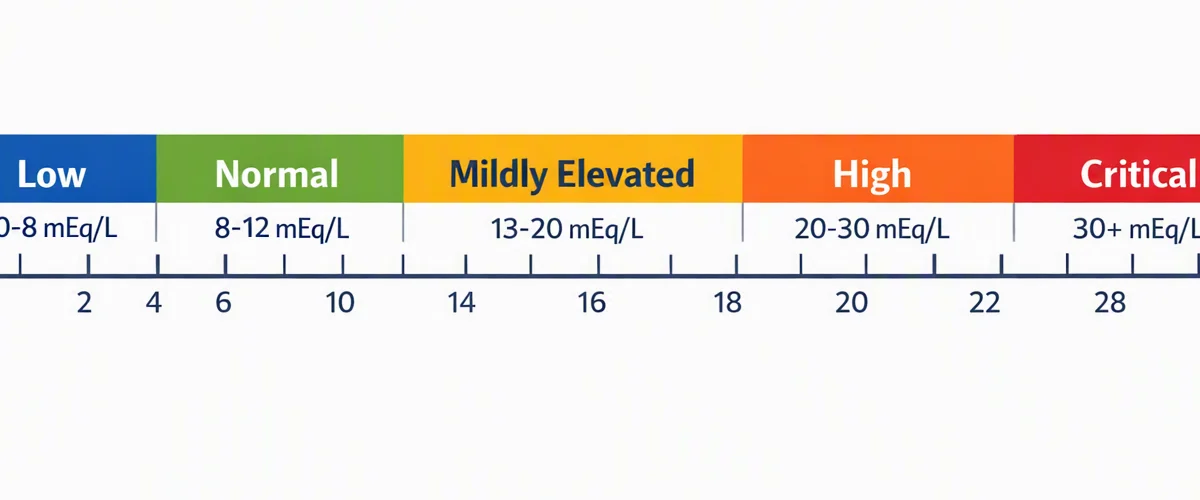
For practical use, the anion gap should be viewed as a trend as well as a single number. Repeated changes in the result may be more meaningful than one isolated value, especially if the patient’s blood levels are shifting over time.
What a Raised Anion Gap Signifies
A raised anion gap often indicates that extra acids are accumulating in the body, which can point in favor of an acid-base imbalance. In this setting, the blood contains additional extra negative ions that are not captured by the routine electrolyte panel. This is why the result is such a useful diagnostic indicator in a health assessment.
Typical causes include lactic acidosis, where lactic acid rises during poor tissue oxygenation, shock, or severe illness, and acid buildup from ketones, where ketones accumulate, often in diabetes, starvation, or alcohol-related states. Both conditions create an acid load that increases the gap.
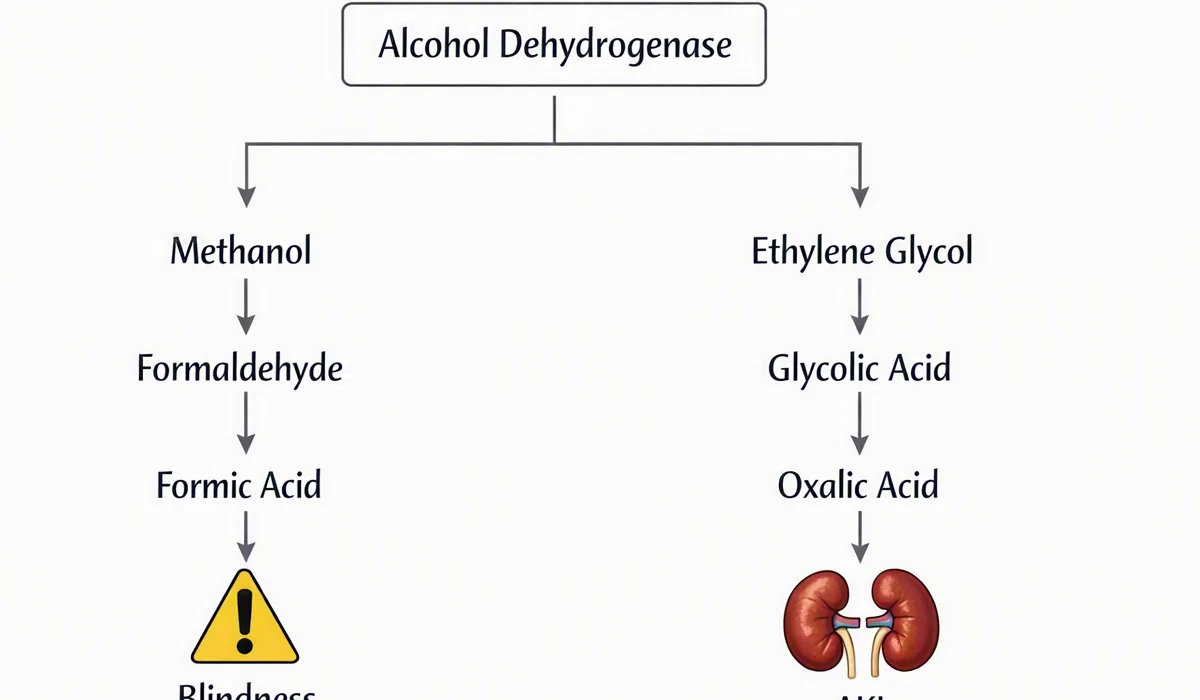
A raised result may also be seen in renal failure, because the kidneys may not clear acids effectively. In some cases, a toxin ingestion can raise the anion gap as well. The pattern should always be matched with symptoms, other lab data, and the overall clinical interpretation.
In short, a high anion gap does not tell you the exact cause, but it does alert clinicians to a likely metabolic disorder affecting acid handling or electrolyte balance.
What a Low Anion Gap Indicates
A decreased anion gap is less common than a high one, but it can still deserve attention. One key cause is hypoalbuminemia, because albumin is a negatively charged protein that plays a role in the measured balance of ions. When albumin falls, the gap may fall even if the underlying acid-base status has not shifted significantly.
Another possible explanation is lab error. Since the calculation depends on three individual measurements, any mistake in serum sodium, serum chloride, or serum bicarbonate can affect the final result. That is why a very unexpected low value often deserves repeat testing or a careful review of the original blood test results.
Occasionally, a low result may reflect unusual proteins or other analytical issues. Because the number can be influenced by so many elements, it should be interpreted as part of the full clinical interpretation rather than as a standalone finding.
Modified Anion Gap and Albumin Correction
Because albumin has a strong effect on the anion gap, providers may use an albumin correction to estimate a corrected anion gap. That is especially important in hypoalbuminemia, where the unadjusted value may appear falsely low.
The purpose of the adjustment is to compensate for low negatively charged protein levels. In other words, if albumin is reduced, the measured gap may miss the presence of excess acids. A corrected value can therefore give a more accurate picture of the patient’s real acid-base status.
Various correction methods exist, and the exact approach may vary by clinician or institution. The important point is that the adjustment should be used when albumin is abnormal, because it increases the usefulness of the anion gap as a screening tool and promotes more accurate patient evaluation.
Albumin correction does not substitute for the original result. Instead it offers context and helps reduce missing a significant acid-base imbalance when albumin is low.
Frequent Causes of an Abnormal Anion Gap
An abnormal anion gap may indicate several different conditions, so the result must be related to https://telegra.ph/Anion-Gap-Calculator-for-Blood-Chemistry-Interpretation-08-30 the rest of the case. Frequent causes of a high value include:
- Metabolic acidosis with acid buildup Lactic acidosis Ketoacidosis Renal failure Toxin ingestion
In addition, certain substances can affect the calculation or resemble an abnormal pattern. Some toxic exposures alter the expected balance of measured and unmeasured ions. A careful review of medications, exposures, and symptoms is part of accurate clinical interpretation.
A low value may stem from hypoalbuminemia, lab error, or other testing issues. Since the anion gap is derived from a blood chemistry panel, the quality of the input values directly affects the final result. That makes it a helpful but indirect marker in a broader medical assessment.
Whenever the result is abnormal, clinicians should ask whether the pattern fits the patient’s condition, whether the value is consistent with the lab’s reference range, and whether repeat testing is needed.
How to Interpret Results Safely
The safest way to interpret an anion gap is to look beyond the number itself. The result is part of a bigger picture that includes the patient’s symptoms, other laboratory data, and the suspected cause of any acid-base balance problem. A single value does not mean a diagnosis.
First, confirm the number against the reporting lab’s normal range and reference range. Then assess whether the patient has evidence of metabolic acidosis, kidney dysfunction, infection, diabetes complications, or a possible toxin ingestion. If albumin is low, consider a corrected anion gap before drawing conclusions.
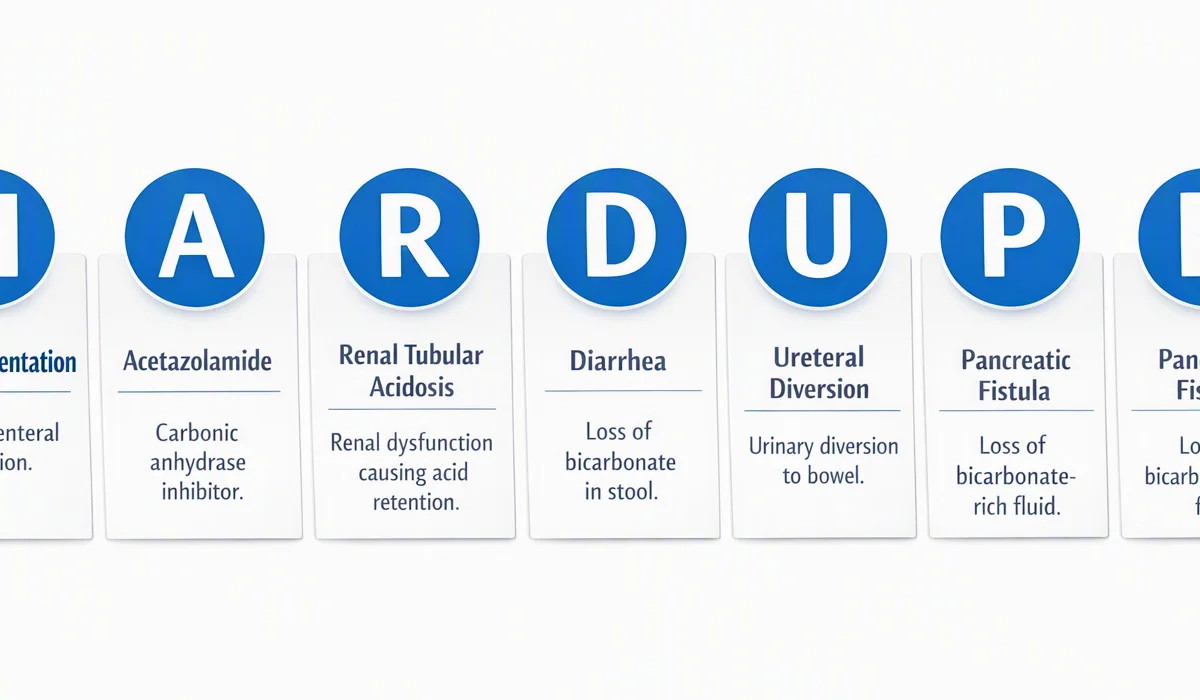
It is also important to note that the anion gap is a clinical marker, not a complete explanation. It can point toward a range of conditions, but further testing may be needed to identify the underlying cause. This may include repeat chemistry tests, blood gas testing, lactate measurement, ketones, kidney function studies, or toxicology evaluation.
Practically speaking, apply the anion gap as a structured part of the medical interpretation of unexpected test findings. That approach can reduce missed findings and helps ensure better care.
FAQ
What formula is used for anion gap?
The standard anion gap formula is serum sodium less the total of serum chloride and serum bicarbonate. Expressed mathematically, it is: Anion gap = sodium − (chloride + bicarbonate). Several anion gap calculator tools use this exact calculation method.
What is a normal anion gap value?
The typical range depends on the laboratory and its reference range, but many readings fall in the single-digit range to low teenage range when reported in mEq/L. Always compare the reading with the lab’s own lab reference rather than relying on a universal threshold.
Why would an anion gap be high?
A elevated anion gap usually means more acid or unmeasured anions exist. Common causes include lactic acidosis, ketoacidosis, renal failure, and some forms of toxin ingestion. It is commonly an indication of metabolic acidosis or another disorder of acid-base balance.
Is a low anion gap serious?
Indeed, although it is less common. A decreased anion gap may be caused by hypoalbuminemia, testing error, or other abnormalities. It may be not serious in some cases, but it can also signal an issue that warrants further evaluation, especially if other blood test results are not normal.
Should albumin be considered to correct the anion gap?
Absolutely, albumin should be taken into account when interpreting the result, especially if albumin is low. Albumin-adjusted calculation can yield a more accurate corrected anion gap and help avoid missing a hidden acid-base problem. This is particularly useful in hypoalbuminemia and during broader patient evaluation.