Yes, dehydration can impact the anion gap, but usually in an indirect way. The main issue is that fluid loss can change blood volume and cause concentration changes in lab values, which may cause the result appear different without necessarily meaning there is a serious metabolic problem. An Anion Gap Calculator can help you estimate the number, but clinical interpretation depends on the full picture, including the electrolyte panel, serum bicarbonate, albumin, and symptoms.
That distinction matters. A changed result may reflect simple hemoconcentration from fluid loss, or it may point to a genuine acid-base issue such as metabolic acidosis. Recognizing the difference helps you know when the result is likely temporary and when it needs a deeper evaluation.
Understanding the Anion Gap?
The anion gap is a derived value used in blood tests to examine acid-base balance. It is not a measured value. Instead, it reflects the difference between routinely measured charged particles, especially sodium and chloride, along with bicarbonate in many formulas. This makes it a valuable diagnostic marker for certain types of metabolic disorder.
Simply put, the anion gap helps clinicians look for hidden ions in the blood. If the gap is elevated, it can suggest extra acids are present. If it is lower than expected, it may suggest low protein levels, lab issues, or reduced unmeasured positive ions than usual.
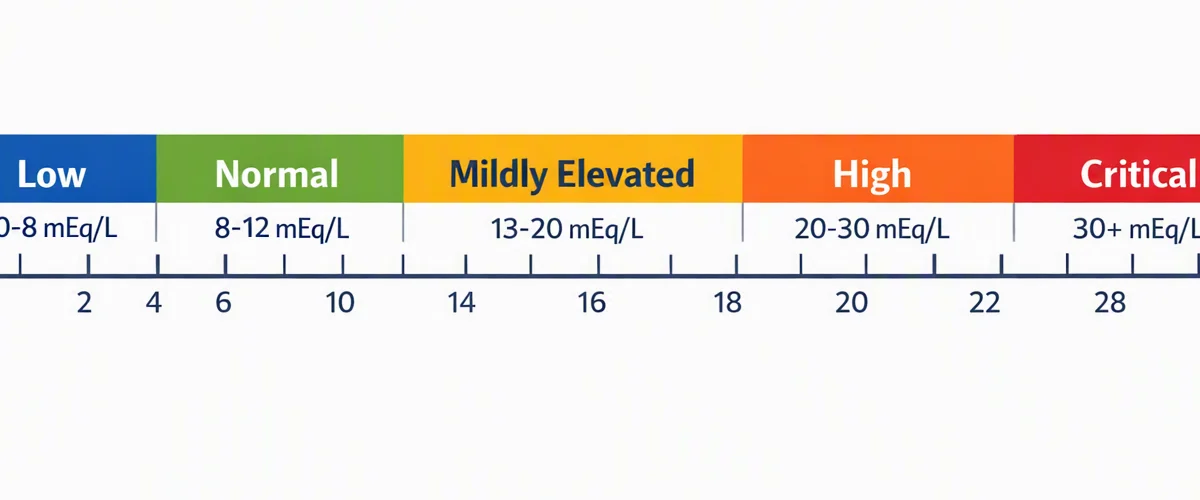
The precise reference range can differ depending on the lab and the method used. That is why clinical interpretation should always use the result from the same lab or a trusted medical testing source rather than a one standard number.
The key components behind the calculation are part of routine serum electrolytes. Because these are commonly included in a basic metabolic panel or a broader electrolyte panel, the anion gap is often available even when it is not ordered as a separate test. That makes it a convenient tool for evaluating blood chemistry and spotting abnormal results.
How an Anion Gap Calculator Works
An anion gap calculator relies on the numbers from a blood test to calculate the gap fast. Most calculators depend on sodium, chloride, and serum bicarbonate. Some formulas also account for albumin, because albumin is a important unmeasured anion and can significantly influence the result.
The usual logic is simple: the calculator performs an anion calculation by contrasting the measured cations and anions in the sample. When bicarbonate is low, the gap often increases because bicarbonate is being depleted or lost while unmeasured acids accumulate. When albumin is low, the gap may look lower than expected even if the true acid-base state is more complex.
This is why a calculator is useful, but not complete. It provides a numerical estimate, not a diagnosis. The result must be interpreted alongside the electrolyte panel, the basic metabolic panel, and the patient’s overall condition. In plain terms, the calculator is best used as part of supportive assessment, not as a stand-alone answer.
Albumin deserves particular attention. Because it carries negative charge, low albumin can reduce the measured gap. Many clinicians will consider a correction when hypoalbuminemia is present, since failing to account for it can hide a significant high anion gap.
Can Lack of fluids Affect the Anion Gap?
Fluid loss can affect the anion gap, but the effect is often due to loss of fluids and concentration changes rather than a direct shift in acid production. When plasma volume decreases, some blood components become more concentrated. That can change test values on a blood draw and make results look more abnormal than they would after rehydration.
In minor dehydration, the anion gap may not shift much at all. In more significant dehydration, especially when accompanied by vomiting, poor intake, or illness, the numbers can move enough to catch attention. However, the key question is whether the change reflects simple electrolyte imbalance or a true metabolic issue.
Fluid loss alone does not usually cause a major raised anion gap. Instead, it may contribute to related problems that raise the gap, such as reduced kidney clearance, lactic acid buildup from poor perfusion, or ketone production if intake is very low. That is why a changed result should prompt the question: what is the root cause?
From a clinical perspective, dehydration can also make an already abnormal result look worse. A person with underlying illness may have borderline blood chemistry, and fluid loss can intensify the apparent abnormality. This is where careful medical interpretation matters most.
Why Dehydration Can Change Lab Results
A key way dehydration influences testing is through hemoconcentration. Once plasma water is reduced, measured substances in the blood can seem more concentrated. This can change lab values across the test panel, including sodium, chloride, bicarbonate, and other markers on a basic metabolic panel.
An additional consideration is kidney function. The kidneys help balance water, electrolytes, and acid-base status. Because dehydration reduces kidney perfusion, the body may briefly retain waste products and alter serum chemistry. For this reason BUN and creatinine are often reviewed together. A raised BUN-to-creatinine pattern can suggest low fluid volume, though the overall context matters.
Dehydration can also be a clue that the body is under stress from illness, not just lacking water. For instance, vomiting, fever, diarrhea, or poor intake can lead to both fluid loss and metabolic changes. In those situations, the lab pattern may reflect more than simple dehydration, and the anion gap becomes one piece of a larger puzzle.
It is helpful to view the result as part of an integrated review of blood chemistry. If BUN is elevated, creatinine is affected, and the anion gap is abnormal, the pattern may indicate dehydration-related strain on the kidneys or another process altogether. This is where a clinician compares the numbers with symptoms and exam findings.
When a Elevated Anion Gap Is More Alarming
A elevated anion gap is more alarming when it suggests acid-base disturbance. In other words, acids are building up in the body more quickly than they can be eliminated or buffered. Dehydration may occur alongside this condition, but it is rarely the sole explanation when the gap is clearly elevated.
Common causes include excess lactic acid, ketone buildup, and toxins. Lactic acidosis can happen when tissues do not get enough oxygen or blood flow, which may occur in critical illness or substantial volume depletion. Ketoacidosis can occur with diabetes, prolonged fasting, alcohol use, or very low carbohydrate intake. Certain toxins and medications can also produce a harmful acid load.
These causes matter because they are genuine metabolic problems, not just concentration effects from dehydration. A person may be dehydrated and also have one of these conditions. In that case, the dehydration may worsen the issue, but the main concern is the underlying acid accumulation.
If the anion gap is high, the rest of the panel becomes important. Low serum bicarbonate, a changing chloride pattern, and other signs of electrolyte disturbance can support the diagnosis. The most practical approach is not to focus on one number alone, but to ask whether the pattern fits a known cause of metabolic acidosis.
Decreased Anion Gap: Additional Possible Causes
A decreased anion gap is not as common than a raised one, and dehydration is rarely the primary cause. A leading explanation is hypoalbuminemia, since albumin is a major negatively charged protein. If albumin is low, the calculated gap can drop even if there is no major acid-base disorder.
Another possible cause is multiple myeloma or other conditions that raise abnormal proteins in the blood. These proteins may behave as positive ions or otherwise change the balance between measured and unmeasured particles. In such cases, the low gap can be a clue that more testing is needed.
Lab error is also a real possibility. Because the anion gap is calculated from several measured values, a small mistake in one input can create a misleading result. Repeating the electrolyte panel or reviewing the sample handling may help if the number does not fit the clinical picture.
When a low result appears, clinicians often review the entire basic metabolic panel, the albumin level, and any signs of protein disorders or medication effects. As with a high result, the goal is to identify the root cause rather than assuming the calculator result is the diagnosis.
Symptoms Needing Medical Attention
Some signs indicate that a changed anion gap may be part of a more serious illness. Confusion, rapid breathing, and vomiting can all happen when the body is struggling with acid-base problems or severe dehydration. Such symptoms need prompt attention, especially if they come on quickly or worsen.
Severe dehydration can lead to lightheadedness, weakness, dry mouth, very dark urine, fainting, and reduced urine output. If severe dehydration is paired with abnormal blood chemistry, the risk of kidney strain and metabolic complications rises. That is why symptom evaluation is just as important as the number itself.
Prompt medical care may be needed when symptoms suggest worsening acid-base imbalance, poor circulation, or inability to keep fluids down. A clinician may order repeat medical testing to check the anion gap, serum bicarbonate, kidney markers, and other data points. The combination of symptoms and lab findings guides the next step.
If you are using an anion gap calculator and the number is abnormal, do not rely on the calculator alone if you feel unwell. Symptoms can reveal a problem that the number only hints at. In that situation, timely medical evaluation is the safest choice.
Common Questions About Dehydration and the Anion Gap
Can dehydration cause a high anion gap?
Dehydration can be associated with a more info high anion gap, but usually indirectly. Fluid loss can reduce blood volume, cause hemoconcentration, and contribute to kidney stress or poor tissue perfusion. These changes may increase the gap if they lead to metabolic acidosis, lactic acidosis, or ketone buildup. Dehydration alone is not usually the full explanation.
Can dehydration cause a low anion gap?
Dehydration is not a common cause of a low anion gap. Low results are more often linked to hypoalbuminemia, multiple myeloma, lab error, or other shifts involving positive ions. If dehydration is present, it may affect lab values, but a low gap usually calls for a broader review.
What’s the normal anion gap range?
The anion gap range depends on the lab, the instrument, and whether albumin is considered. Most labs use a limited expected range, but there is no single fixed value. For best results interpretation, compare your result with the range printed on the report and assess it in the context of the electrolyte panel and blood bicarbonate.
Should I drink water before repeating an electrolyte test?
If dehydration may have affected the result, mild water intake may help restore fluid balance balance, but do not assume hydration alone will explain the abnormality. A repeat electrolyte test panel or metabolic panel should be done according to the instructions from your clinician. If you have vomiting, confusion, or trouble keeping fluids down, seek clinical evaluation rather than trying to self-correct the numbers.
When should a changed anion gap be evaluated by a doctor?
A changed result should be evaluated when it is clearly outside the expected expected range, when it comes with symptoms like mental confusion, rapid breathing, or nausea and vomiting, or when there are signs of significant dehydration or renal impairment. A clinician may review blood urea nitrogen, serum creatinine, serum albumin, and the full blood chemistry to identify the underlying cause and decide whether more testing is needed.